Our UK team has partnered with the world-renowned London Philharmonic Orchestra (LPO) to support music-making and music appreciation among disabled adults through OrchLab. This unique project is delivered by the LPO in partnership with Drake Music, experts in music, technology, and disability.
Since 2017, OrchLab has offered innovative accessible digital instruments, pioneering assistive technology, bespoke workshops, LPO recordings, training, and events. The interactive OrchLab website allows participants to explore LPO performances, create their own music using online instruments, and access additional resources, including musical games and quizzes. The aim of the project is to improve participants’ wellbeing through music-making experiences that are truly accessible to all.
In 2025, 28 bespoke workshops were delivered for 24 disabled adults from core partner organisations, and a further 37 disability centre staff were trained in music session delivery to continue musical exploration beyond the workshops. An impressive 86% of core participants reported an increase in their self-confidence, and 76% reported an increase in their overall wellbeing.
In that same year, we celebrated the fifth in-person OrchLab Festival Day, which united a record number of nearly 200 disabled guests, care staff, and partner organisations to explore new OrchLab instruments and share the experience of making music with others.
Our initiatives
Reducing inequalities
We’re committed to ensuring that the most vulnerable and excluded people can participate in society and have their voices heard. That’s why we work with charities that support adult education, people with disabilities, older people, and other disadvantaged members of society. In many communities, the things that most of us take for granted - clean water, food, literacy, education - are not readily attainable. We want to change that as best we can for the communities we interact with around the world.
In 2025, we supported 419 programs related to reducing inequalities.
Case study
OrchLab: making a difference by making music

Case study
The JTI Global WASH initiative
For many of the communities in which we operate, water remains a precious and scarce resource. That is why, in 2019, we launched our Global WASH (Water, Sanitation and Hygiene) initiative, with the ambition of providing access to clean water, sanitation and hygiene to one million people by the end of 2025.
Thanks to the continued commitment of our colleagues and partner organizations, this target has now been achieved, with more than one million people reached through 14 projects in ten countries. These efforts are focused on delivering practical, locally tailored solutions that respond to the specific needs of communities where access to water and sanitation remains limited.
Current WASH programs illustrate this locally grounded approach.
In Morocco, the Abãr Project supports access to clean water in remote rural areas through the drilling of 100 wells across 100 villages, in partnership with the local association El Baraka Angels. Once completed, the project is expected to provide reliable water access to more than 80,000 people, alongside hygiene and sanitation activities that help improve daily living conditions and strengthen community resilience.
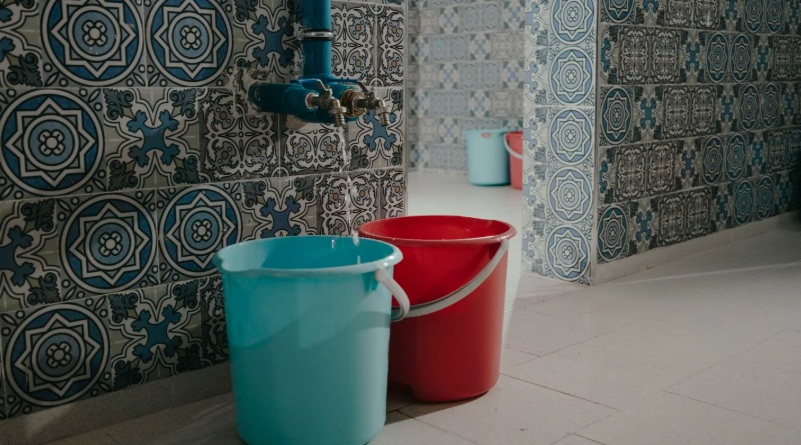
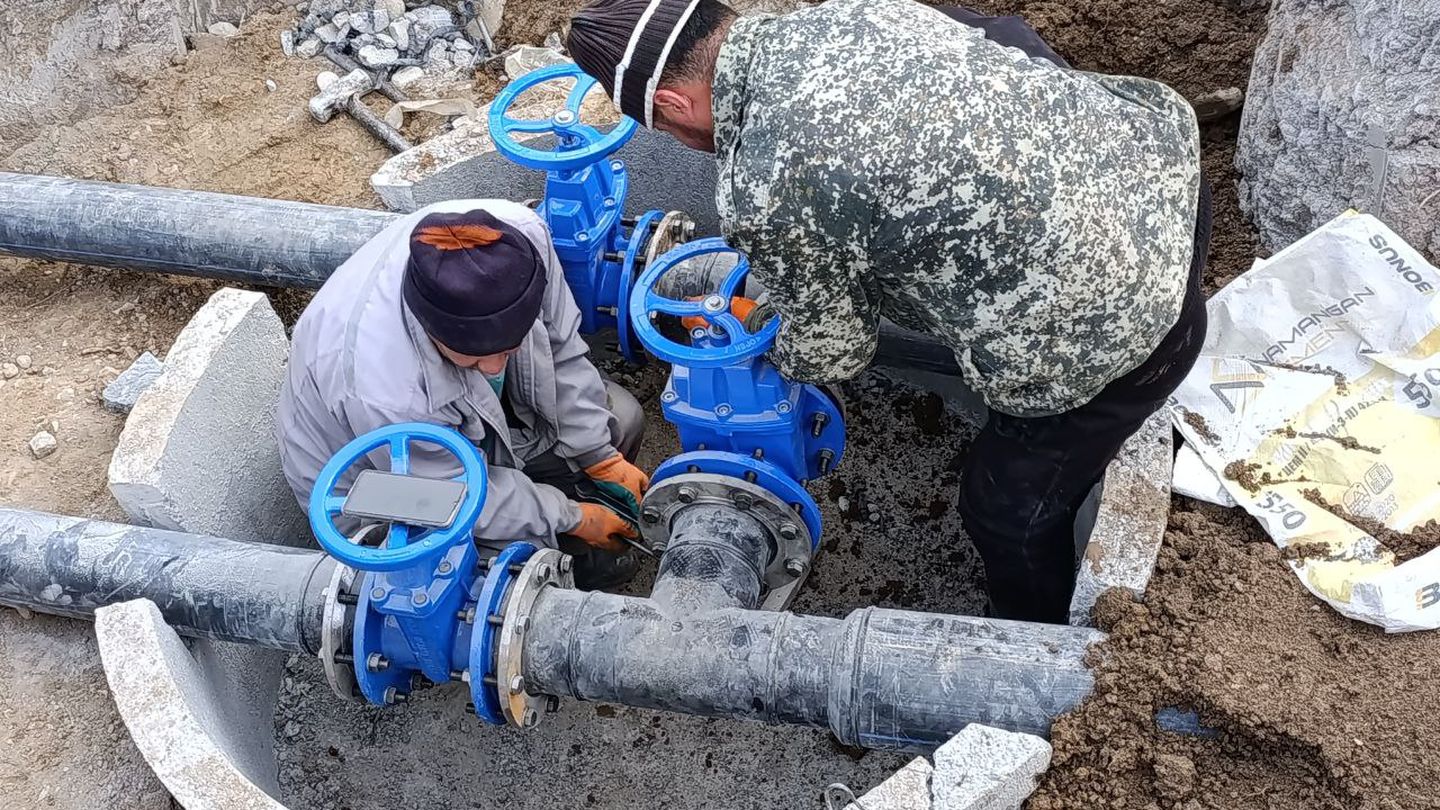
In Uzbekistan, the WASH program focuses on improving drinking water supply and sanitation in rural communities that have long relied on unsafe sources such as ponds, streams and shallow wells. Working with local partners and authorities, projects aim to deliver clean and reliable water supplies to villages in the Namangan and Fergana regions, helping to reduce health risks and ease the burden of water collection for families.
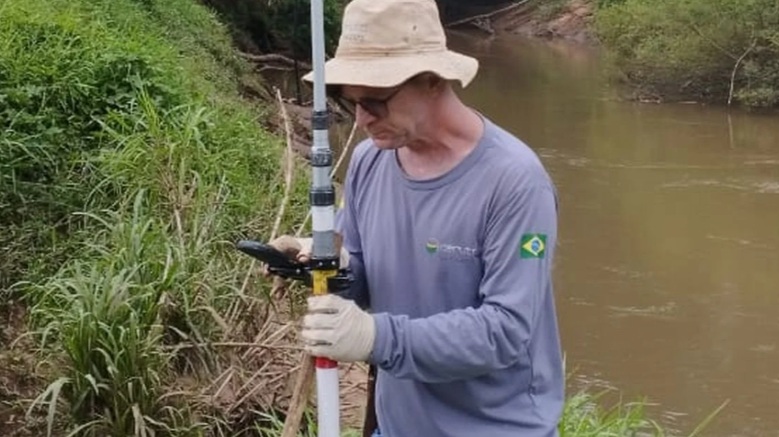
In Brazil, we support the restoration of the Pardinho River, a critical freshwater source for five municipalities in southern Brazil. In partnership with the JTI Foundation and the University of Santa Cruz do Sul (UNISC), the project focuses on restoring the river system and improving land and water management across the basin through measures such as riverbank restoration, reforestation, soil conservation and water quality monitoring.
Looking ahead, we are building on what has already been put in place by expanding our reach and scope: As of the end of 2025, the WASH programs are being managed by the JTI Foundation, opening new opportunities and extending the initiative’s scope beyond usual community development support to also include disaster relief and risk reduction, helping communities strengthen their resilience to future challenges.
- Community Investment : Through partnerships with local and international organizations, we implement various community investment programs that contribute to the development of inclusive and sustainable communities across the world.
- OrchLab : Our UK team has partnered with the world-renowned London Philharmonic Orchestra (LPO) to support music-making and music appreciation among disabled adults through OrchLab.